If you are searching for an undertale fight arena, use the current Stage as a route to investigate rather than relying on a finished undertale fight map. The available records confirm movement, enemy encounters, bosses, rooms, keys, doors, and an upper-stage or top objective, but they do not provide a reliable named-arena list or complete route. In practice, make progress by checking access points and learning which obstacle is stopping the next section; the keys and rooms guide covers the access loop when that obstacle is a locked route.
How to read a Stage route
A Stage combines movement and fights. Start by moving through the available area, then use each encounter or blocked opening as information about what to check next:
- Clear the immediate route. Regular enemies are part of the progression path, but no complete enemy placement table is documented.
- Inspect branches and doors. A room may be a separate accessible area, and a key may be needed for a door or room. The exact key-to-door pairing is not confirmed.
- Keep the upper route in mind. Reaching the top of the Stage is mentioned as a goal, but the game evidence does not define whether the top means completion, a checkpoint, or simply a higher area.
- Return to the last useful landmark after a defeat. Repeated boss attempts are supported by the available gameplay evidence, even though a universal respawn or checkpoint rule is not documented.
This approach is safer than treating a fan-made diagram, background, or GIF as a live map. A visual can show an undertale fight bg or an arena background without proving that it represents the current playable route.
Stage objects and decisions
Use this table to decide what to do when you encounter each part of an arena. It deliberately separates confirmed relationships from details that the sources do not establish.
What to check in an Undertale Fight arena
| Stage element | Role | Player decision | What is not confirmed |
|---|---|---|---|
| Stage route | Main movement path | Continue forward and note blocked or branching areas | Starting point, branches, and final route |
| Regular enemies | Combat obstacle | Practice movement and clear the encounter before pushing onward | Complete roster and exact placements |
| Door and key | Access gate | Search the current route and side areas for a key, then test the relevant door | Key location, door numbering, and one-to-one pairing |
| Room | Separate accessible area | Treat an opened room as a route or objective to investigate | Room names, count, contents, and reward |
| Boss encounter | Higher-difficulty fight | Prepare with the route and retry after changing one decision | Boss-to-Stage assignment, order, and rewards |
| Upper stage or top | Higher-area objective | Keep moving and revisit unresolved access points | Whether the top is a clear condition, checkpoint, or location |
The key relationship is practical: keys, doors, and rooms belong to the same access problem. A video mentions obtaining a room key as relatively easy, while another describes trying to get a key for a door and then a room. Those observations support checking for an access item; they do not support a fixed undertale fight background location or a universal walkthrough.
Keys, rooms, and blocked paths
When a route appears to stop, use this order:
- Search the nearby playable space. Check corners, side paths, and rooms before assuming the key is in a different Stage.
- Test the access relationship. If you find a key, try the doors and rooms that are visibly connected to the current route. The sources do not identify a guaranteed matching label.
- Separate access from combat. A locked door and a defeated enemy are different kinds of progress. Do not infer that beating a boss automatically opens a room unless the live game shows it.
- Record what remains unknown. If no key or route is visible, treat the location as undocumented rather than inventing a map order from an undertale fight background gif.
Finding keys for doors and rooms in a Stage
This moment supports the article's advice to investigate keys and connected rooms when a Stage route is blocked.
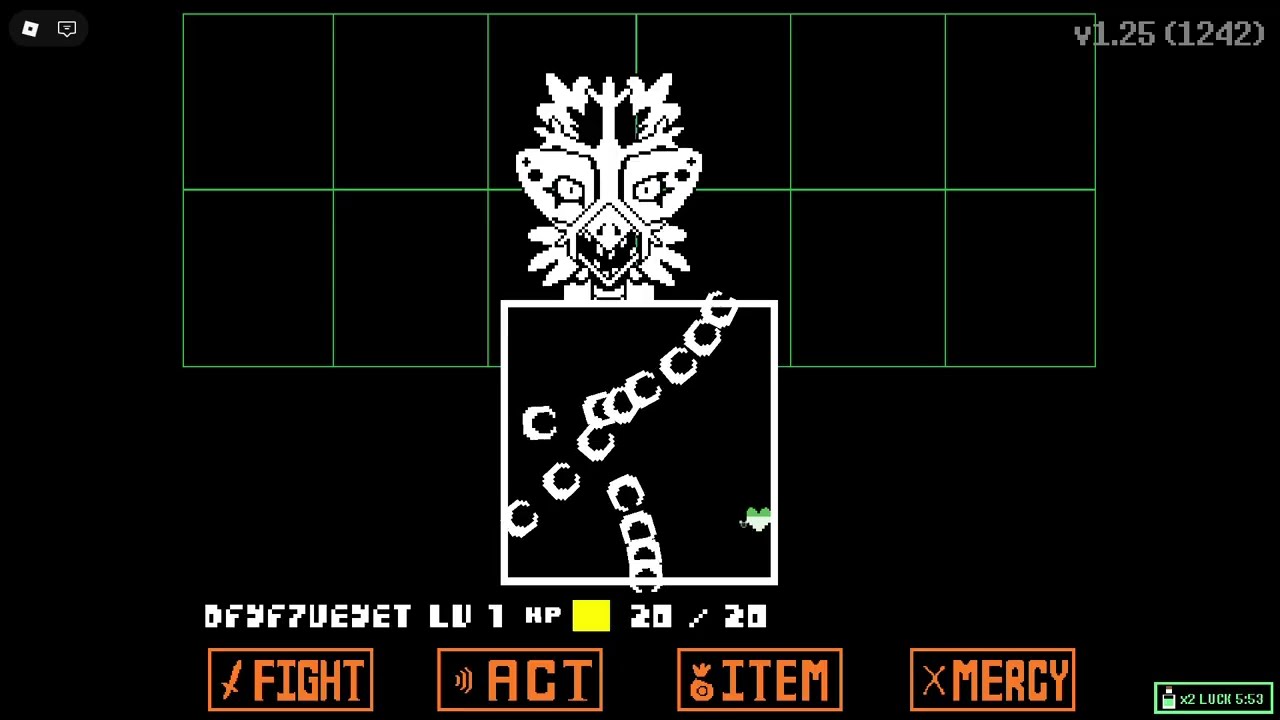
The current Wiki Maps page is explicitly unfinished. That makes an in-game check more useful than a static undertale fight bg search result when you need the actual route or zone.
Bosses and the upper stage
Bosses appear in the Stage progression evidence as difficult encounters, but no supplied source binds a named boss to a specific arena or gives a complete boss order. Prepare for a boss with a repeatable loop:
- Clear or pass the nearby regular encounter so you understand the local route.
- Identify where you can retreat or reposition before committing to the fight.
- Attempt the boss once without assuming that a low-level defeat proves a permanent requirement.
- On the next attempt, change one variable—position, timing, opening attack, or route choice—so the retry gives you useful information.
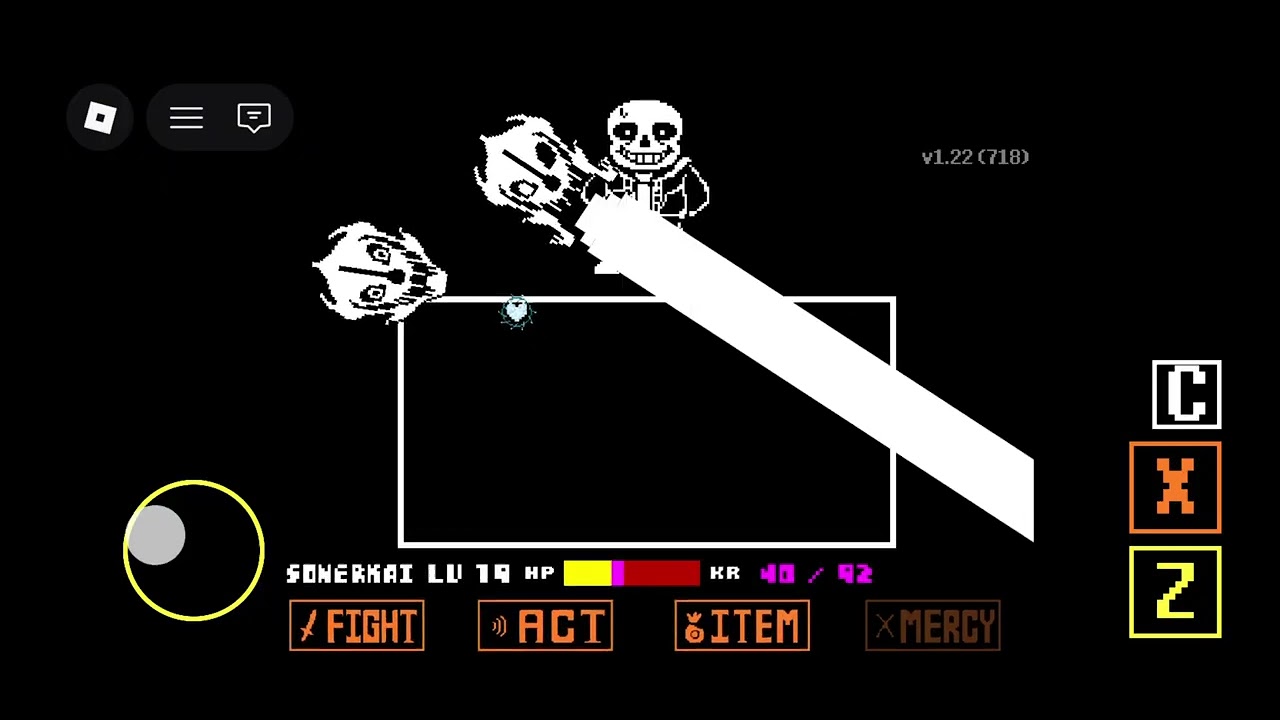
One video reports that a boss is difficult at a low level, and another reports being unable to reach the top of the Stage. These are useful difficulty and progress observations, not confirmed level gates, damage formulas, or completion conditions. If the upper route remains unavailable, inspect rooms and doors again before concluding that the Stage is locked by level.
Retrying boss fights and reaching the top of a Stage
These moments support the article's cautious guidance about low-level boss difficulty and an unresolved route to the top of the Stage.
What the current map evidence does not show
The supplied evidence does not support a complete undertale fight map, named zone list, arena rotation, background download, or exact route diagram. It also does not establish:
- a universal start point, checkpoint, or respawn location;
- the number or names of Stages, rooms, doors, or arenas;
- exact key locations or which key opens each door;
- a boss order, boss reward, or requirement to reach the top;
- a confirmed level threshold for any Stage or boss.
Use the live game interface for controls, requirements, and current access rules. Keep route notes tied to what the current build actually shows, because the unfinished Maps record cannot fill those gaps.
FAQ
Is there a complete Undertale Fight map or arena list?
Not in the available documentation. The Maps record is unfinished, and the evidence does not establish named arenas, a full route, or a stage-by-stage enemy list.
How do I find the key to a room in Undertale Fight?
Explore the current Stage and investigate doors and side routes. The videos confirm that players look for keys to doors and rooms, but they do not document a universal key location or door order.
Why can’t I reach the top of the Stage?
Reaching the top is a reported Stage goal, but the available evidence does not identify the cause when progress stops. Check unfinished routes, doors, and combat obstacles rather than assuming a confirmed level requirement.
SourcesReviewed October 25, 2026
https://undertale-fight.fandom.com/wiki/Maps
https://www.youtube.com/watch?v=Dzvu3XyeVts
https://www.youtube.com/watch?v=CW2gD2qvXDs
https://www.youtube.com/watch?v=sclpaj4QYIw
https://www.youtube.com/watch?v=fHDEAMd9XJ8
https://www.youtube.com/watch?v=FjAj05P76JQ
The Maps page is unfinished. The cited gameplay coverage supports the existence of Stage exploration, room and door-key attempts, repeated boss attempts, low-level difficulty observations, and the reported top-of-Stage objective. It does not independently verify a complete route, exact map labels, key placement, level gates, boss order, or rewards. Controls and mutable access rules should be checked in the live game.